
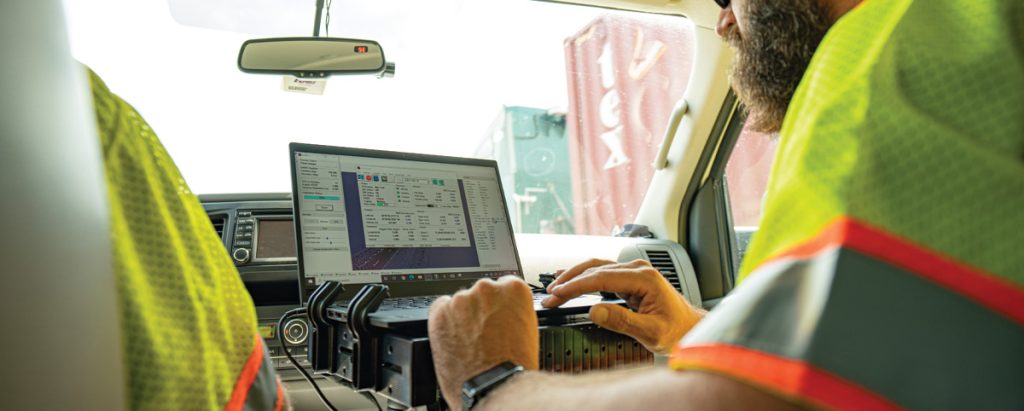
Transform Transportation Data Into Actionable Intelligence
Collecting data is easy. Turning it into usable information is the challenge.
PILLAR’s Automated Feature Extraction System (AFES) combines artificial intelligence, machine learning, and computer vision to automatically identify transportation assets and infrastructure conditions from LiDAR and imagery.
The result is faster inventories, lower costs, consistent results, and Transportation Asset Intelligence at scale.
The Data Challenge
Transportation Agencies Have More Data Than Ever Before.
- Mobile LiDAR
- Imagery
- GIS
- Asset inventories
- Inspection records
- Condition assessments
Transportation agencies are collecting more information than ever before, but converting that information into usable asset intelligence often requires significant manual effort.
Traditional extraction methods can be:
- Time consuming
- Expensive
- Difficult to scale
- Inconsistent between reviewers
- Slow to deliver actionable results
As transportation networks grow and infrastructure demands increase, agencies need a better way to transform information into action.
That’s why we built AFES.
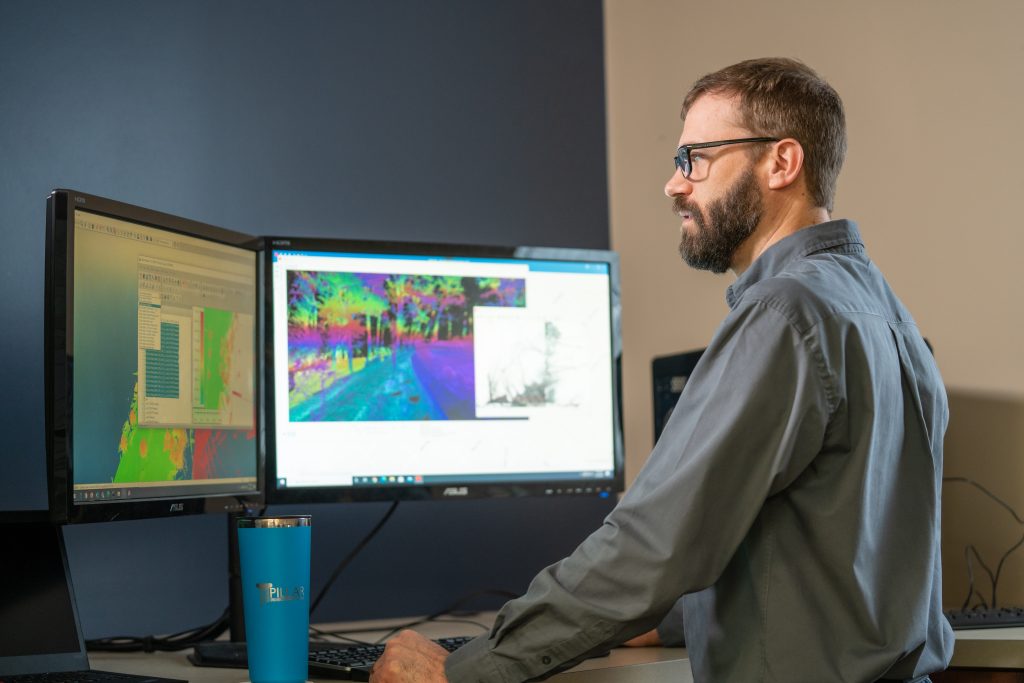
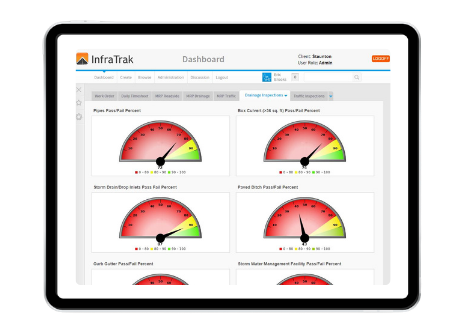
What is AFES?
The Engine Behind Transportation Asset Intelligence.
AFES automatically identifies, classifies, and inventories transportation assets using artificial intelligence and machine learning.
Instead of manually reviewing millions of images or billions of LiDAR points, AFES processes information automatically and delivers usable asset intelligence in a fraction of the time required by traditional methods.
AFES Combines
- Artificial Intelligence
- Machine Learning
- Computer Vision
- LiDAR Analytics
- Geospatial Intelligence
- Transportation Expertise
Outcome
- Actionable infrastructure intelligence delivered at scale.
Why AFES Matters
Faster. Smarter. More Scalable.
Transportation agencies need information quickly.
AFES helps transform large infrastructure datasets into meaningful information that supports planning, maintenance, compliance, and operational decision making.
Up to 10x Faster Processing
Reduce extraction timelines dramatically compared to traditional point-and-click workflows.
Consistent Results
Apply the same logic and standards across entire transportation networks.
Scalable Inventories
Process local, regional, and statewide transportation systems efficiently.
Reduced Costs
Lower manual extraction effort and improve project efficiency.
Faster Decision Making
Deliver actionable information while it still matters.
Defensible Data
Create objective, repeatable results that support planning and funding decisions.
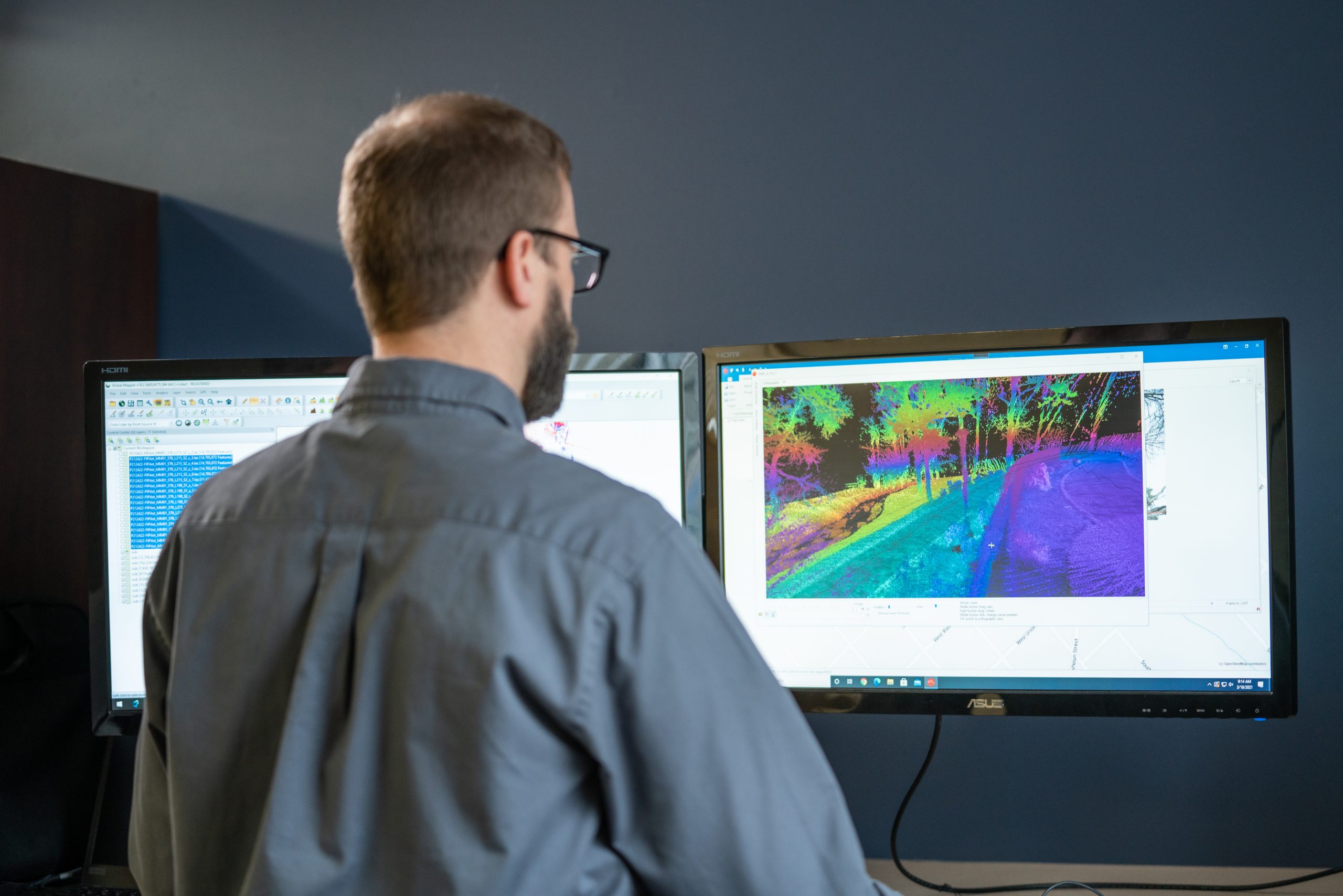
What Can AFES Identify?
Transportation Assets at Scale.
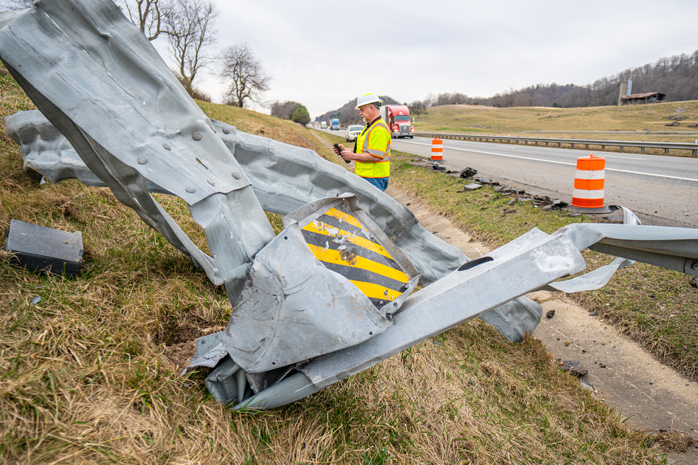
AFES automatically extracts and inventories transportation assets from LiDAR and imagery.
Common Asset Types Include
- Guardrail
- Signs
- Sign Supports
- ADA Infrastructure
- Drainage Assets
- Utility Features
- Pavement Markings
- Roadside Features
- Traffic Control Devices
- Roadway Assets
- And many more.
As the platform evolves, new asset types can be incorporated into the extraction workflow.
Outcome
A complete and consistent inventory of transportation assets.
From Collection to Intelligence
Mobile LiDAR Captures Reality. AFES Creates Understanding.
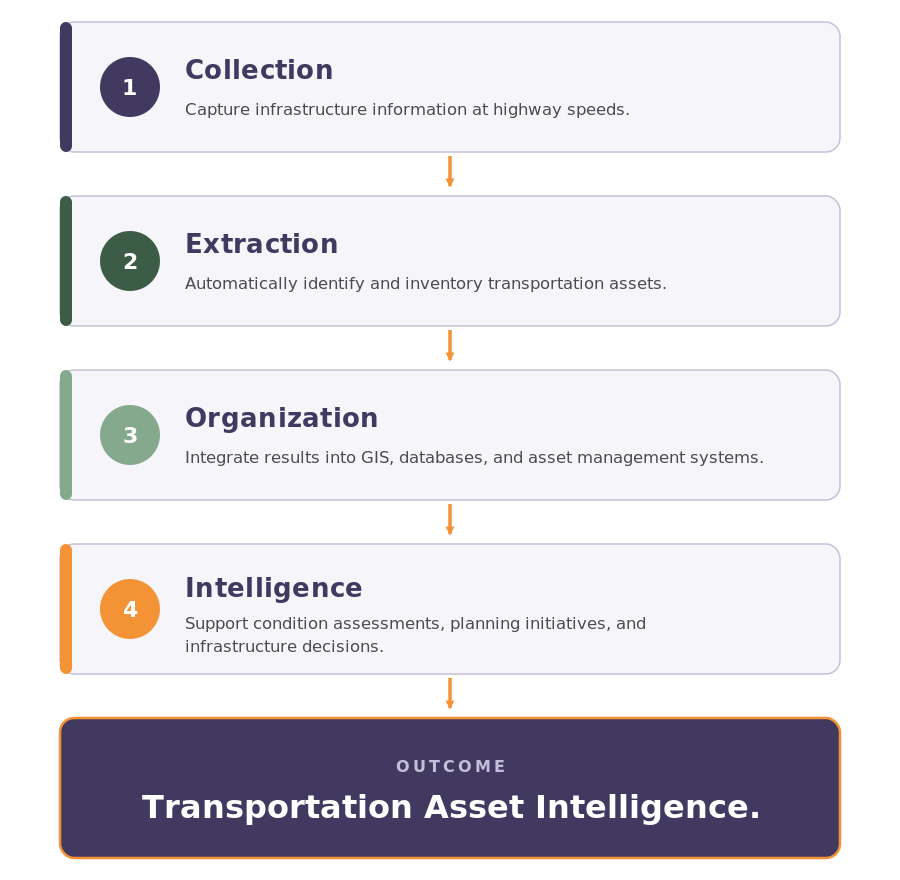
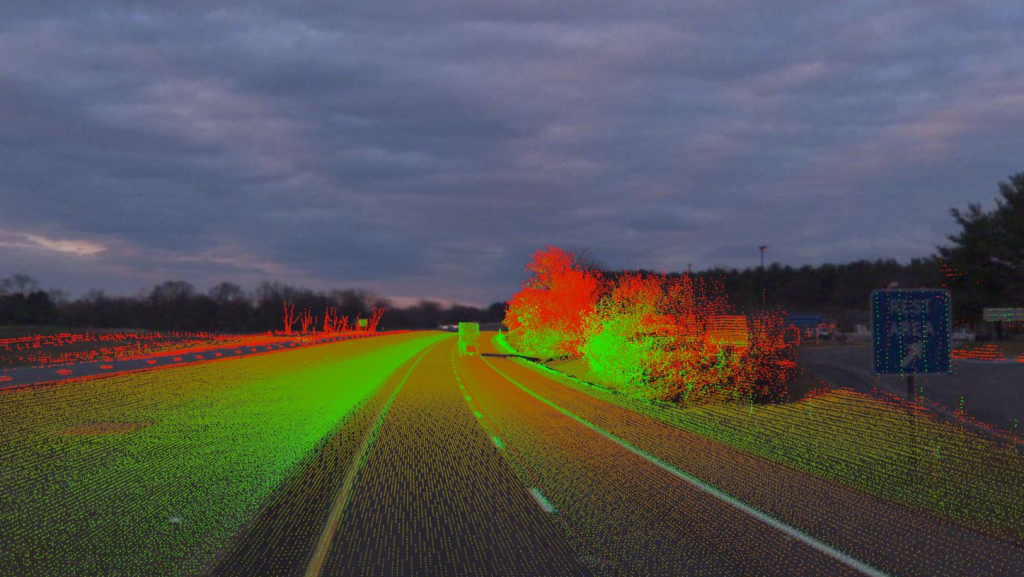
Mobile LiDAR and imagery create a detailed digital representation of the transportation network.
AFES transforms that information into usable intelligence by identifying assets, organizing information, and preparing it for assessment, planning, and operational use.
How AFES Supports The CAPE® Framework
One Technology. Multiple Outcomes.
AFES plays a critical role throughout the CAPE® framework.
Collection
Create comprehensive asset inventories faster than traditional methods.
Assessment
Support condition evaluation and infrastructure analysis.
Planning
Provide objective information for prioritization and investment decisions.
Execution
Maintain consistent infrastructure records and support program tracking.
Outcome
A continuous flow of actionable information throughout the asset management lifecycle.
AFES in Action
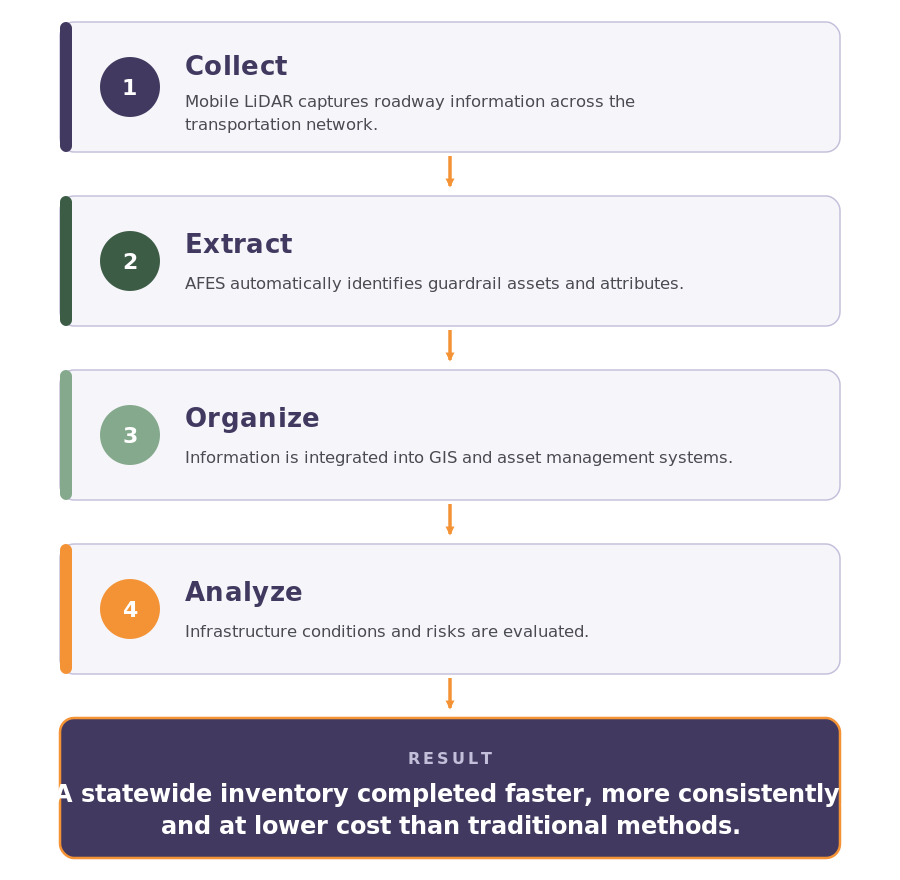
Example: Statewide Guardrail Inventory
Powerful Technology. Transportation Expertise.
One Technology. Multiple Outcomes.
Artificial intelligence alone does not solve infrastructure challenges.
Transportation knowledge matters.
PILLAR combines advanced automation with experienced transportation professionals who understand asset management, maintenance operations, infrastructure conditions, and agency priorities.
Technology accelerates the process.
Experience ensures the results matter.
The Future of Transportation Asset Management
AFES helps transportation agencies move beyond manual extraction and reactive workflows.
By automating the transformation of infrastructure data into usable intelligence, agencies gain:
- Greater visibility
- Faster access to information
- Improved consistency
- Scalable asset management
- More confident decisions
- Better infrastructure outcomes

Ready to see what AFES can do?
Discover how PILLAR’s Automated Feature Extraction System can help your agency reduce costs, accelerate asset inventories, and create Transportation Asset Intelligence at scale.