
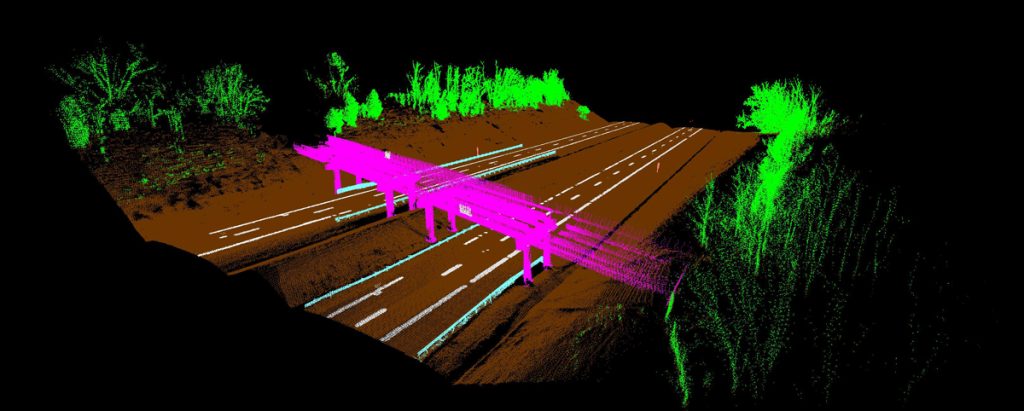
Planning: Turn Data into Decisions
Transportation Asset Intelligence reaches its full value when information becomes action.
PILLAR helps transportation agencies prioritize investments, manage risk, optimize resources, and build defensible plans based on objective infrastructure information.
When you know what requires attention and why, you can invest with confidence.
Why Planning Matters
Good Data Doesn’t Automatically Create Good Decisions.
Transportation agencies make hundreds of decisions every day.
Which assets should be repaired first?
Which projects deserve funding?
What risks require immediate attention?
How should limited budgets be allocated?
What work can be deferred?
The answers to these questions impact safety, operations, budgets, and long-term infrastructure performance.
Transportation Asset Intelligence helps agencies move beyond reacting to problems and toward strategically managing infrastructure investments.
Planning transforms infrastructure information into a clear path forward.


How We Turn Insight Into Action
Prioritize. Forecast. Optimize. Defend.
PILLAR helps agencies transform condition information and operational data into practical, defensible decisions.
Risk-Based Prioritization
Focus Resources Where They Matter Most.
Not every infrastructure issue carries the same level of risk.
PILLAR helps agencies identify and prioritize projects based on condition, operational impact, safety considerations, funding constraints, and long-term asset performance.
Applications
- Risk-based maintenance planning
- Safety prioritization
- Network condition management
- Capital improvement planning
- Asset lifecycle management
- Resource allocation
Benefits
- Improved transparency
- Reduced risk
- Objective decision making
- More effective investments
- Improved network performance
Outcome
- Resources directed where they create the greatest impact.
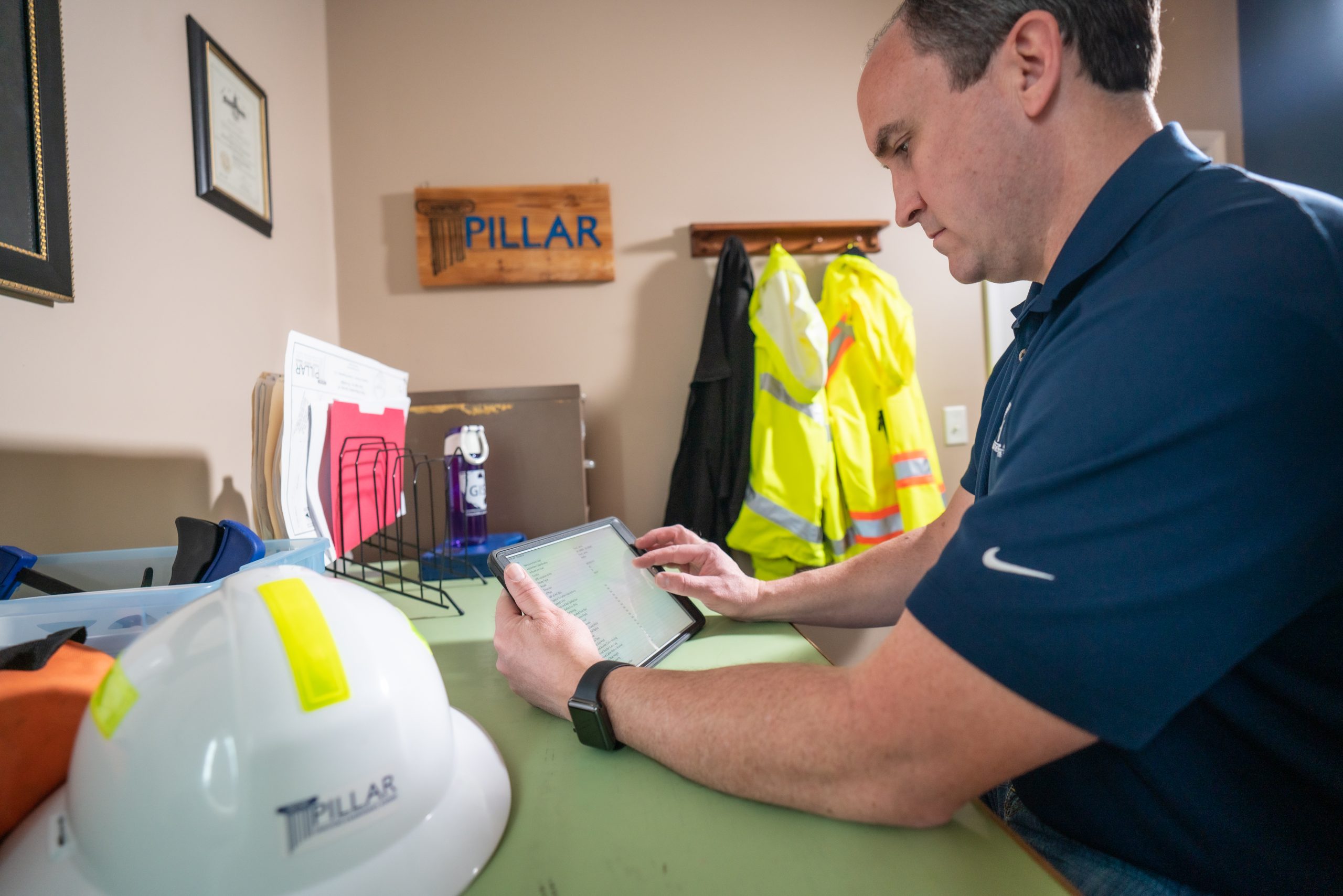

Operations & Maintenance Planning
Build Plans That Can Actually Be Executed.
Infrastructure planning must balance technical needs with operational realities.
PILLAR helps agencies develop realistic maintenance strategies, work programs, and implementation plans based on actual network conditions and available resources.
Applications
- Maintenance planning
- Work programming
- Resource planning
- Budget development
- Performance management
- Long-range planning
Benefits
- Improved efficiency
- Reduced backlog
- More predictable outcomes
- Better resource utilization
- Stronger operational performance
Outcome
- Practical plans aligned with organizational goals and available resources.
Data Analysis & Business Intelligence
Reveal the Story Behind the Data.
Information becomes valuable when it supports decision making.
PILLAR transforms infrastructure data into meaningful insights that help agencies understand trends, evaluate performance, and identify opportunities for improvement.
Applications
- Performance dashboards
- Trend analysis
- Risk analysis
- Data visualization
- Program performance measurement
- Decision support
Benefits
- Improved visibility
- Faster decision making
- Better communication
- Enhanced accountability
- Objective evaluation
Outcome
- Confidence in infrastructure decisions.

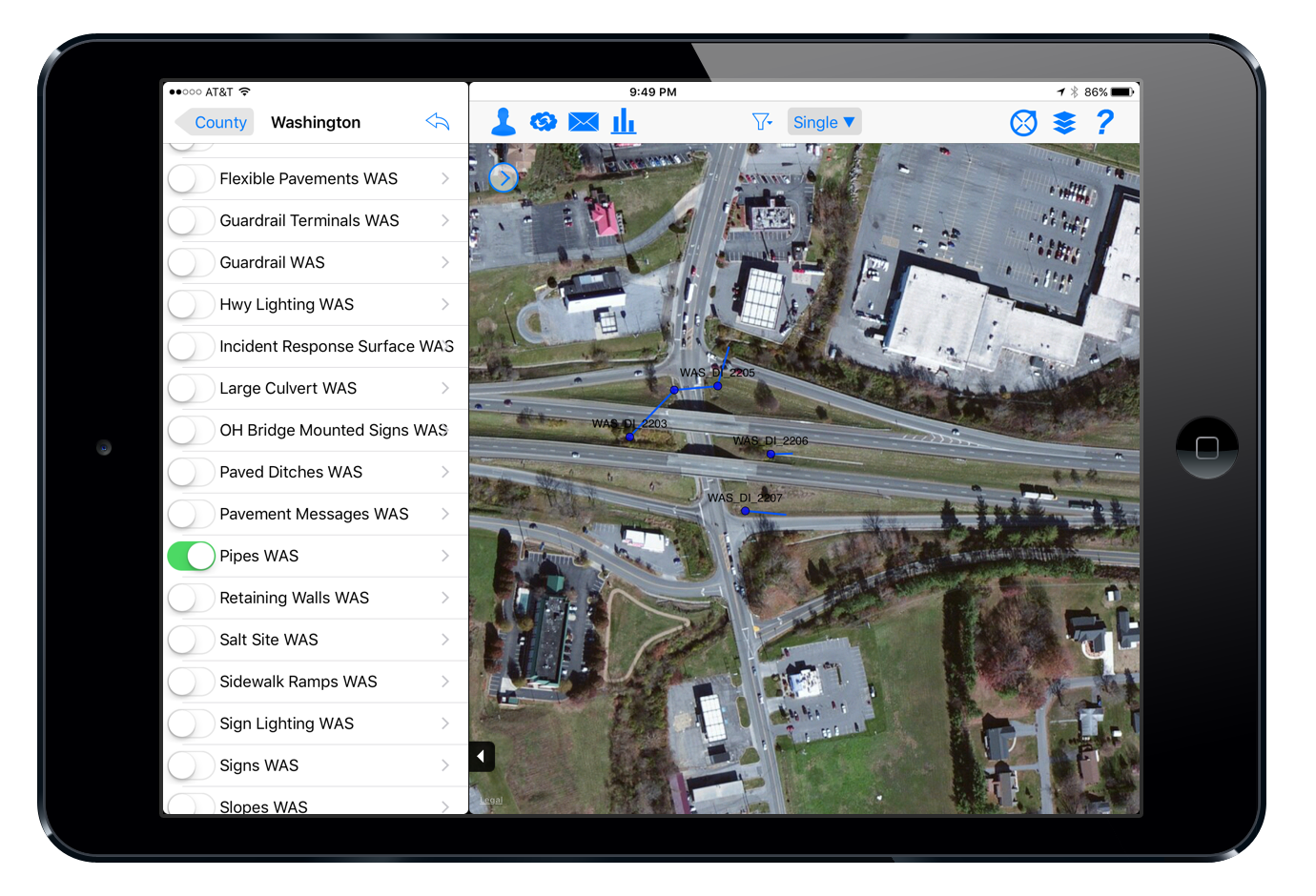
Data Integration
Connect Information Across Systems
Transportation decisions are easier when information exists in one place.
PILLAR integrates asset inventories, condition assessments, GIS data, operational information, and existing business systems into a unified environment.
Applications
- GIS integration
- Asset management systems
- Work management systems
- Maintenance databases
- Performance reporting
- Cross-department visibility
Benefits
- Reduced duplication
- Improved accessibility
- Consistent information
- Better collaboration
- Streamlined workflows
Outcome
- A connected view of infrastructure information.
Funding Justification
Support Investment Decisions with Objective Information.
Transportation agencies are increasingly required to demonstrate need, justify priorities, and support funding requests with measurable data.
PILLAR helps agencies build defensible funding strategies supported by objective infrastructure information and documented risk.
Applications
- Funding requests
- Budget support
- Grant applications
- Capital improvement programs
- Legislative reporting
- Program justification
Benefits
- Stronger business cases
- Improved transparency
- Greater stakeholder confidence
- Better communication
- More defensible decisions
Outcome
- Funding strategies supported by objective information rather than assumptions.
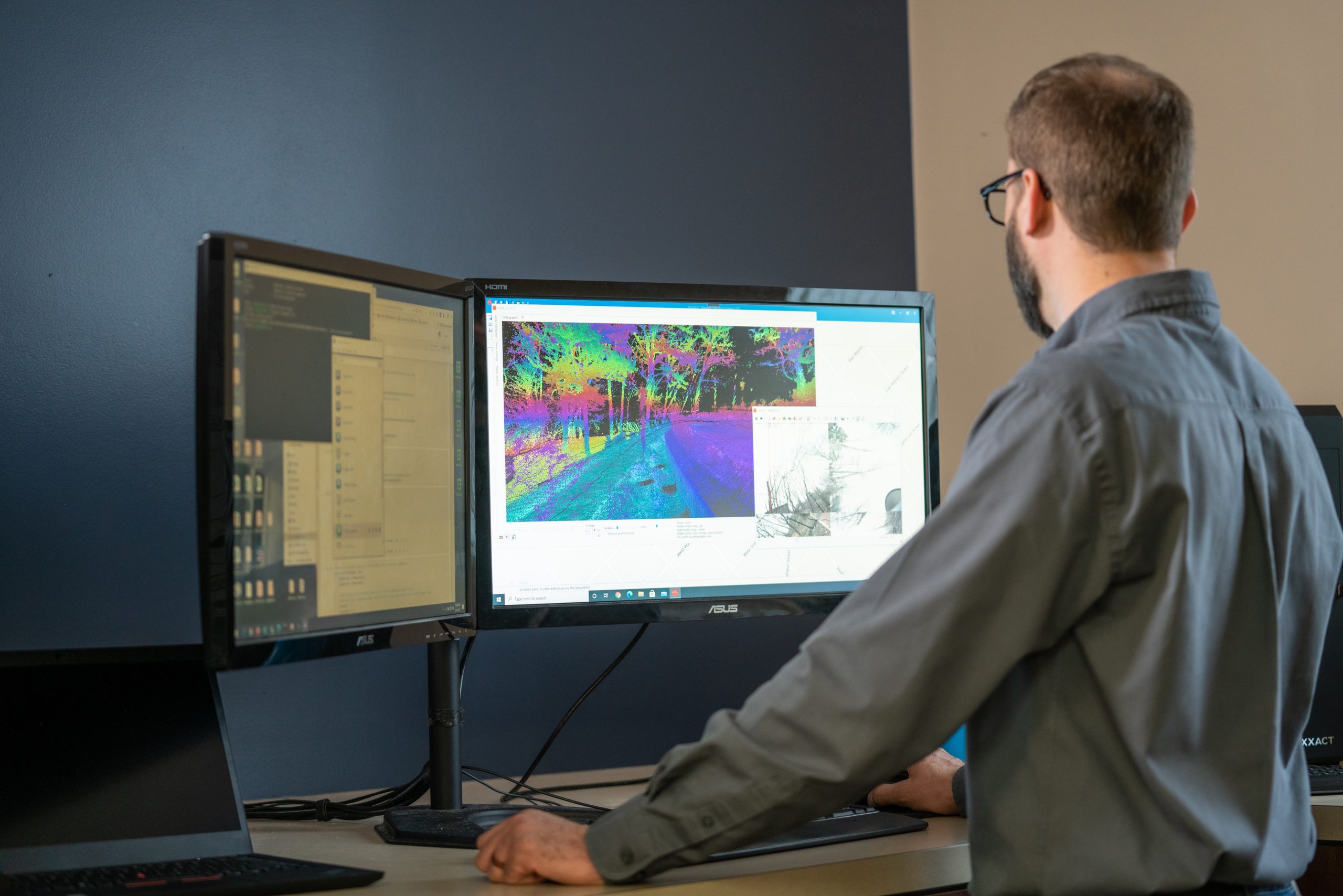
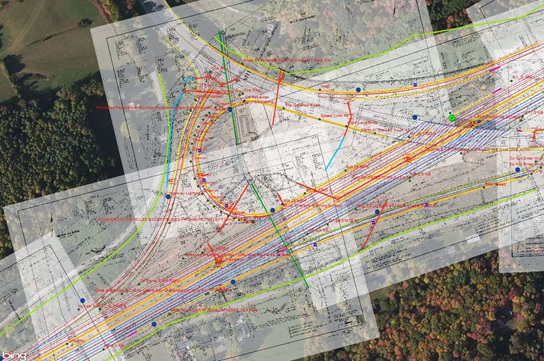
Transportation Asset Intelligence in Action
Information Creates Understanding. Planning Creates Action.
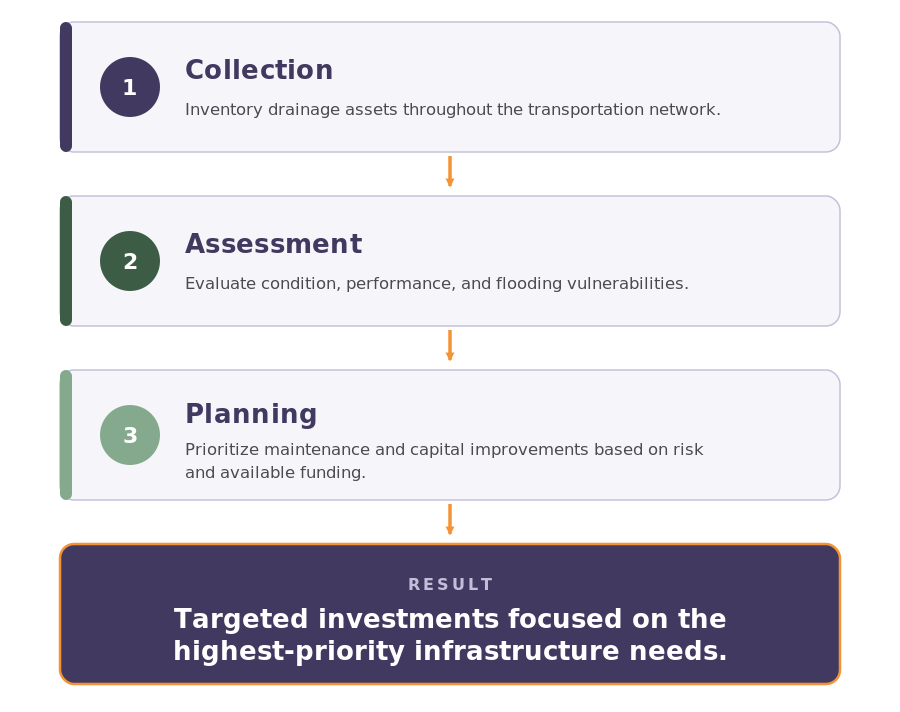
Collection establishes visibility.
Assessment reveals condition and risk.
Planning transforms that understanding into decisions that improve infrastructure performance.
Transportation Asset Intelligence creates value when information guides action.
Planning In Action
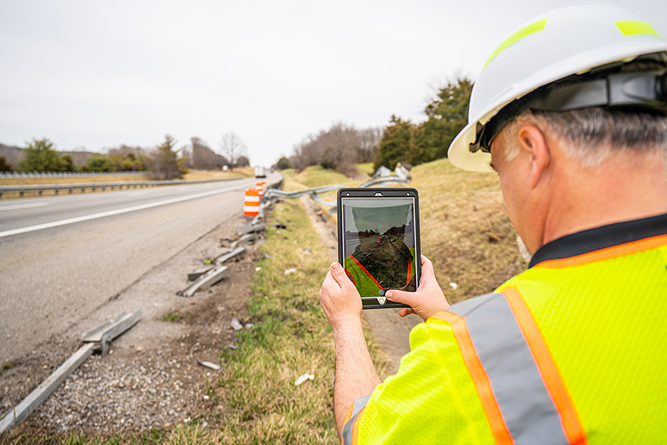
Example: Statewide Drainage Management Program
Better Decisions. Better Outcomes.
Planning helps transportation agencies answer critical questions:
What should we address first?
What can wait?
Where should we invest limited resources?
How do we justify our decisions?
What will deliver the greatest benefit?
These answers create the foundation for safer, more efficient, and more sustainable infrastructure management.

Next Step: Execution
Turn Plans Into Results
Implement projects, monitor performance, maintain accountability, and ensure that infrastructure improvements achieve their intended outcomes.