
Assessment: Understand Your Network
Knowing what assets exist is only the beginning.
PILLAR transforms infrastructure information into actionable insight, helping transportation agencies understand condition, compliance, performance, and risk across an entire transportation network.
When you understand what requires attention and why, better decisions become possible.
Why Assessment Matters
Visibility Creates Awareness. Understanding Creates Action.
Asset inventories tell you what exists.
Assessment tells you what matters.
Transportation agencies are constantly balancing competing priorities, limited resources, and aging infrastructure. To make confident decisions, they need more than inventories and data points. They need a clear understanding of condition, performance, and risk.
Without consistent assessment, agencies struggle to:
- Identify emerging problems
- Understand network-wide conditions
- Prioritize maintenance activities
- Measure compliance
- Allocate resources effectively
- Justify investments
Transportation Asset Intelligence begins when information becomes understanding.
Assessment transforms infrastructure information into meaningful insight that supports better decisions.
How We Transform Information Into Insight
Detect. Measure. Validate. Understand.
PILLAR combines advanced analytics, engineering expertise, and transportation experience to reveal what infrastructure data is really telling you.
Imagery Analysis
Detect Conditions at Scale.
Transportation agencies collect thousands of images every year.
The challenge is finding meaningful information within them.
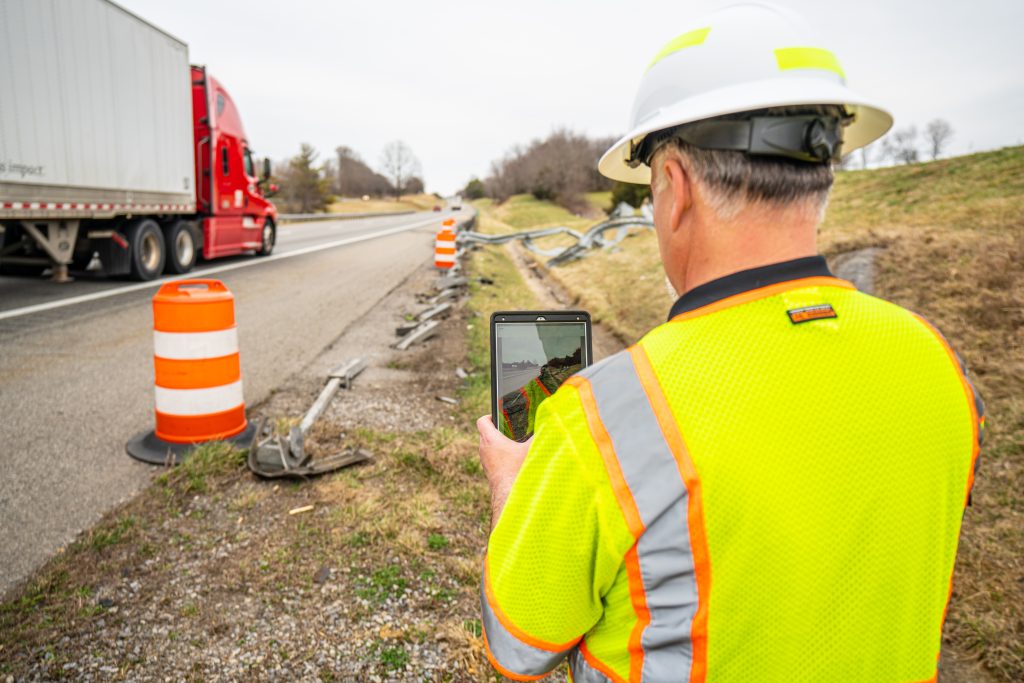
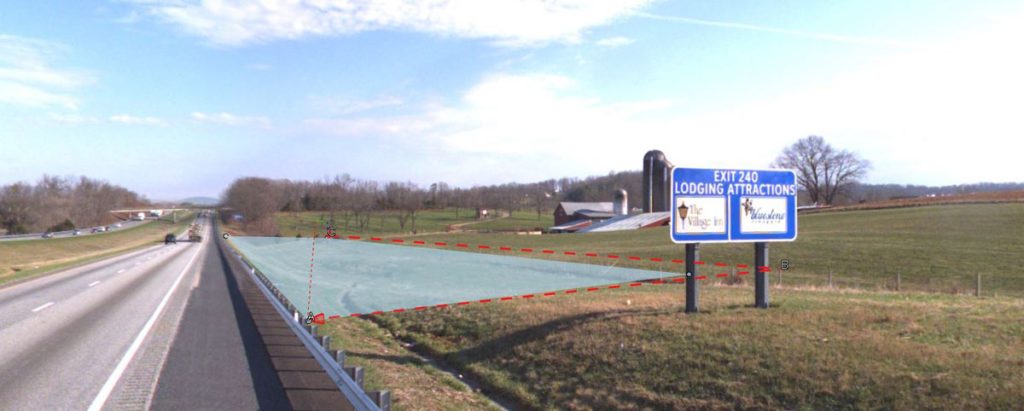
PILLAR uses machine learning and computer vision to identify infrastructure conditions, attributes, and deficiencies quickly and consistently across entire transportation networks.
Applications
- Guardrail condition
- Sign condition
- Pavement observations
- ADA infrastructure
- Drainage concerns
- Roadside asset evaluation
Benefits
- Consistent results
- Reduced manual review
- Network-wide visibility
- Faster condition assessment
- Improved documentation
Outcome
- Reliable condition information at scale.

Point Cloud Analysis
Measure What Matters.
Many infrastructure decisions depend on objective measurements.
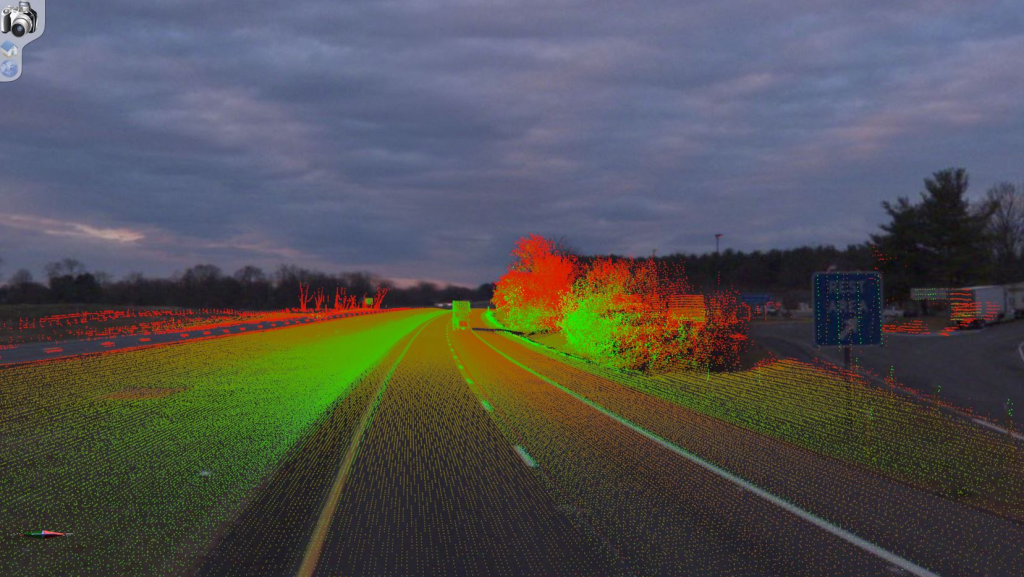
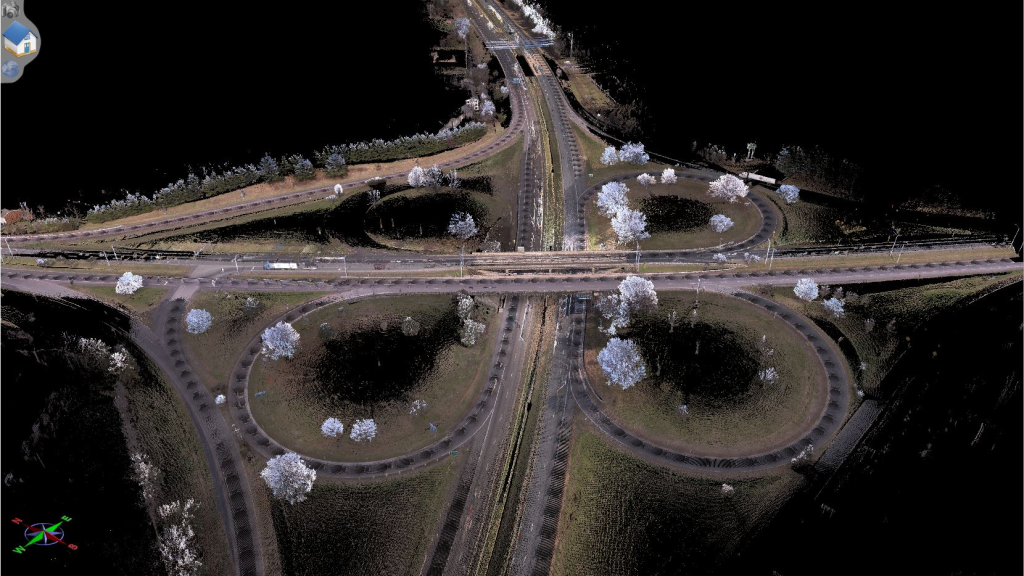
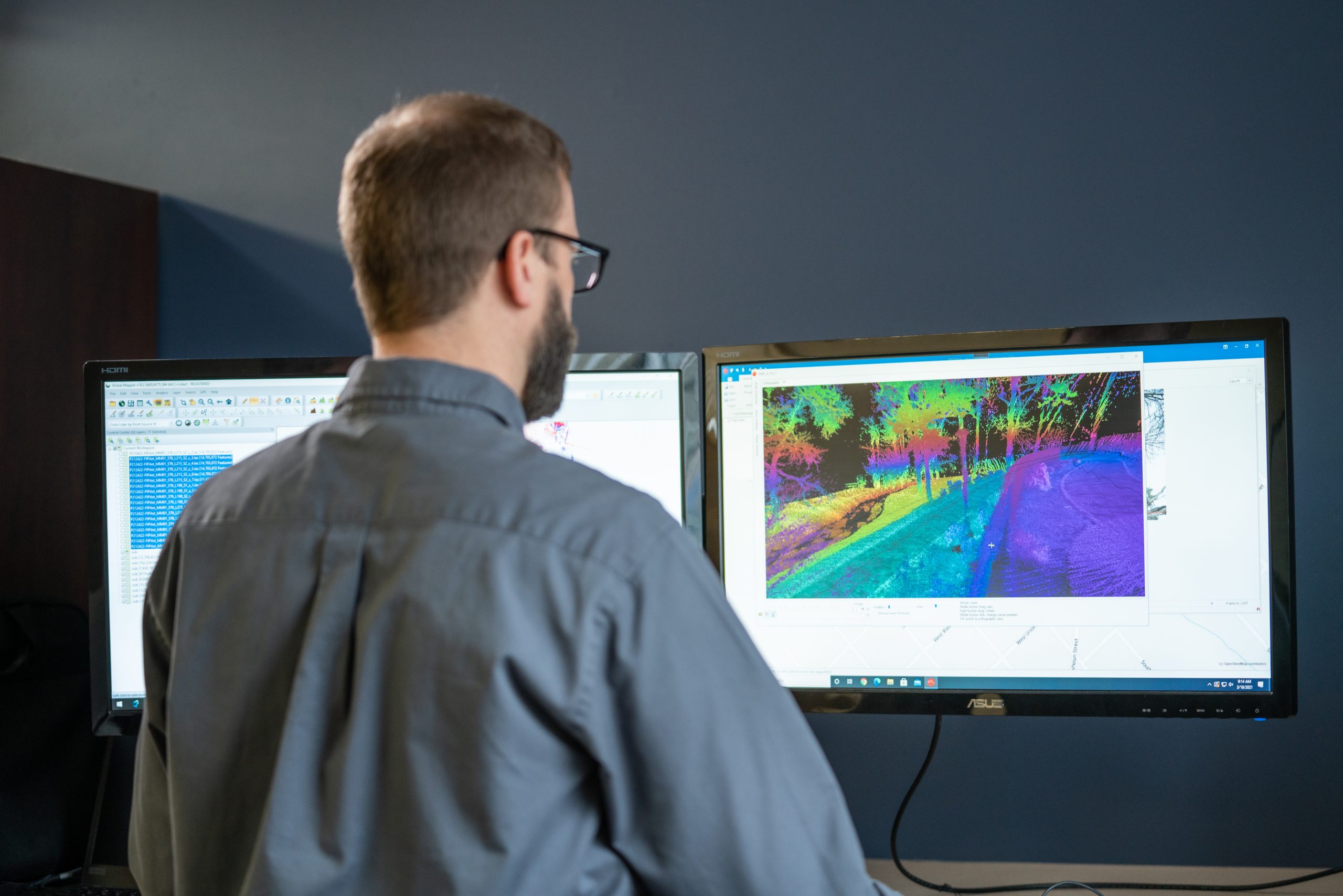
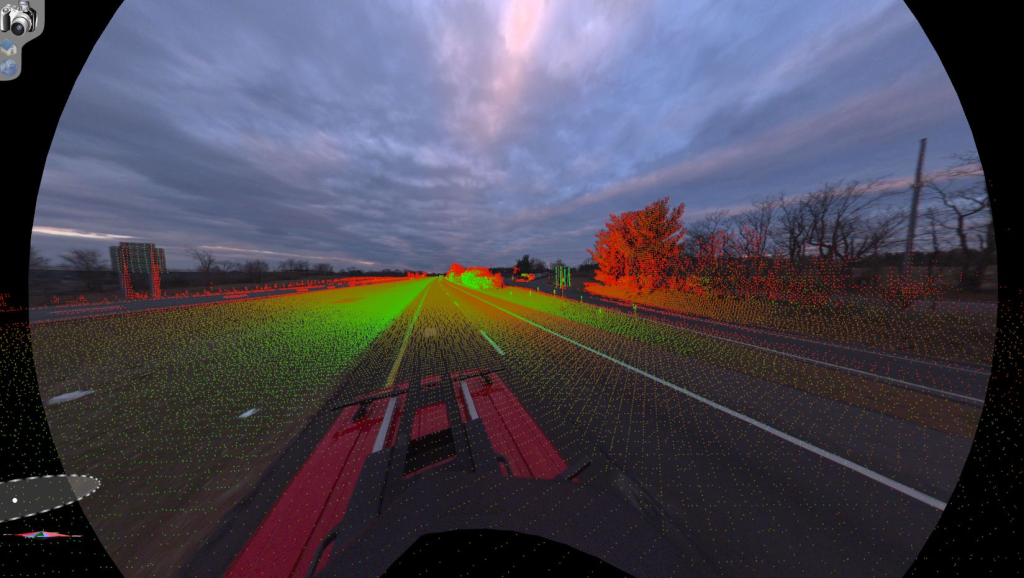
PILLAR leverages LiDAR point clouds to create survey-grade measurements that support engineering, maintenance, and operational decisions.
Applications
- Vertical clearances
- Horizontal clearances
- Guardrail height
- Cross slope
- Geometry evaluation
- Encroachment analysis
- Utility conflicts
- Infrastructure dimensions
Benefits
- Objective measurements
- Reduced field visits
- Improved safety
- Defensible decisions
- Greater consistency
Outcome
- Accurate measurements that support confident decision making.
Specialized Infrastructure Inspections
See What Traditional Inspections Miss.
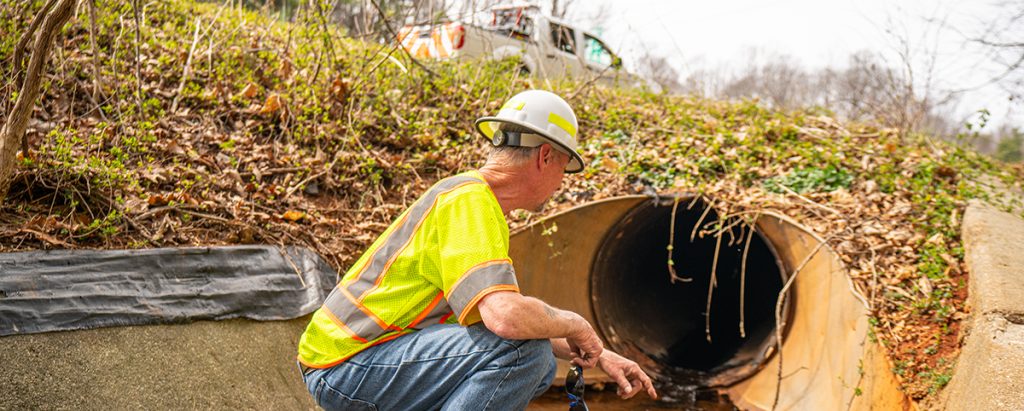
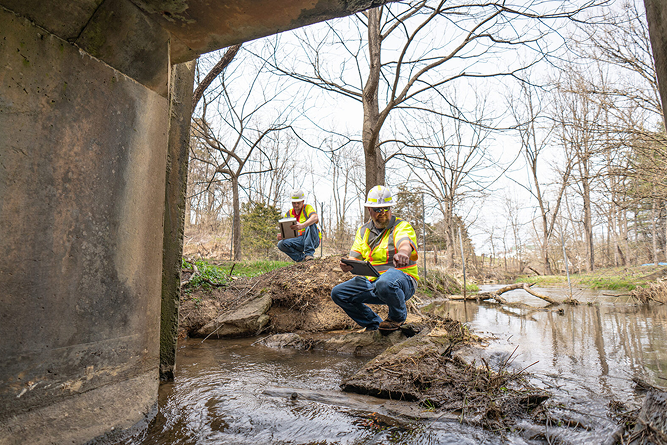
Some of the most critical infrastructure assets are also the most difficult to evaluate.
- Culverts.
- Drainage systems.
- Confined spaces.
- Underground infrastructure.
PILLAR utilizes advanced inspection technologies, including crawler systems and LiDAR-enabled inspection drones, to safely assess infrastructure conditions in environments where traditional inspections can be difficult, dangerous, or costly.
Applications
- Culvert assessments
- Drainage inspections
- Confined space evaluations
- Underground infrastructure
- Structural condition investigations
- Risk assessments
Benefits
- Improved safety
- Reduced field exposure
- Enhanced visibility
- Detailed documentation
- Faster assessments
Outcome
- A better understanding of hidden infrastructure conditions and associated risks.
Risk Identification
Identify Emerging Issues Before They Become Failures.
Not all assets present the same level of risk.
PILLAR helps agencies identify infrastructure concerns before they become safety issues, operational disruptions, or costly repairs.
Examples
- Drainage vulnerabilities
- Clearance restrictions
- Roadside hazards
- Utility conflicts
- Compliance concerns
- Maintenance hotspots
Benefits
- Reduced risk
- Improved planning
- Earlier intervention
- Better resource allocation
- Improved network resilience
Outcome
- A proactive understanding of infrastructure performance.
Field Assessments
Technology Provides Valuable Information. Experience Provides Context.
Advanced analytics, imagery, and LiDAR can reveal valuable insights, but some decisions require direct observation and professional judgment.
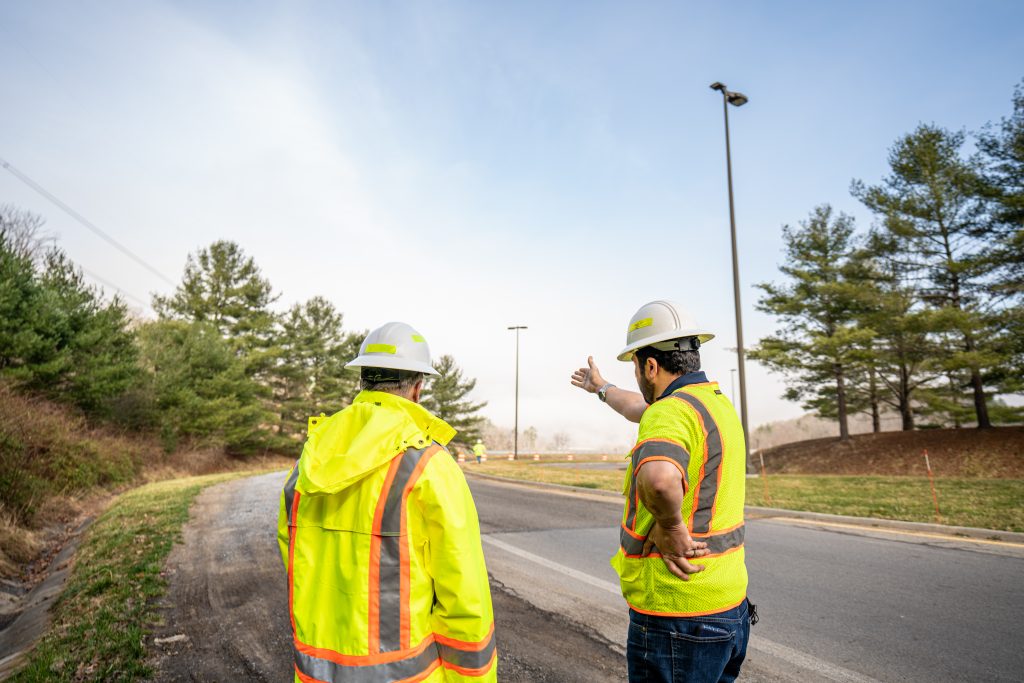
PILLAR’s transportation professionals perform targeted field assessments to verify conditions, collect specialized information, and support engineering and maintenance decisions.
Applications
- Condition verification
- Compliance reviews
- Asset Validation
- Maintenance assessments
- Operational evaluations
- Specialized inspections
Benefits
- Expert evaluation
- Real-world verification
- Improved confidence
- Reduced uncertainty
- Defensible decisions
Outcome
- Infrastructure decisions supported by both technology and transportation expertise.
Understanding Creates Priorities
Assessment is where Transportation Asset Intelligence begins creating value.
By understanding infrastructure conditions, compliance requirements, performance trends, and operational risks, agencies can answer critical questions:
What is deteriorating?
What poses the greatest risk?
What requires immediate attention?
What can wait?
Where should resources be invested first?
These answers become the foundation for planning, budgeting, maintenance strategies, and operational decisions.
Assessment in Action
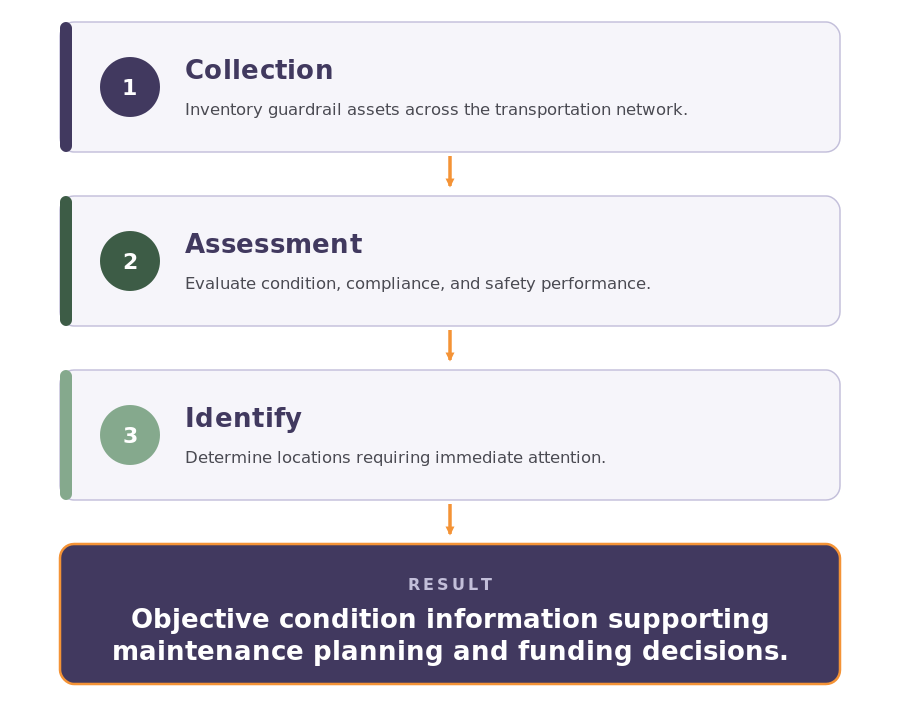
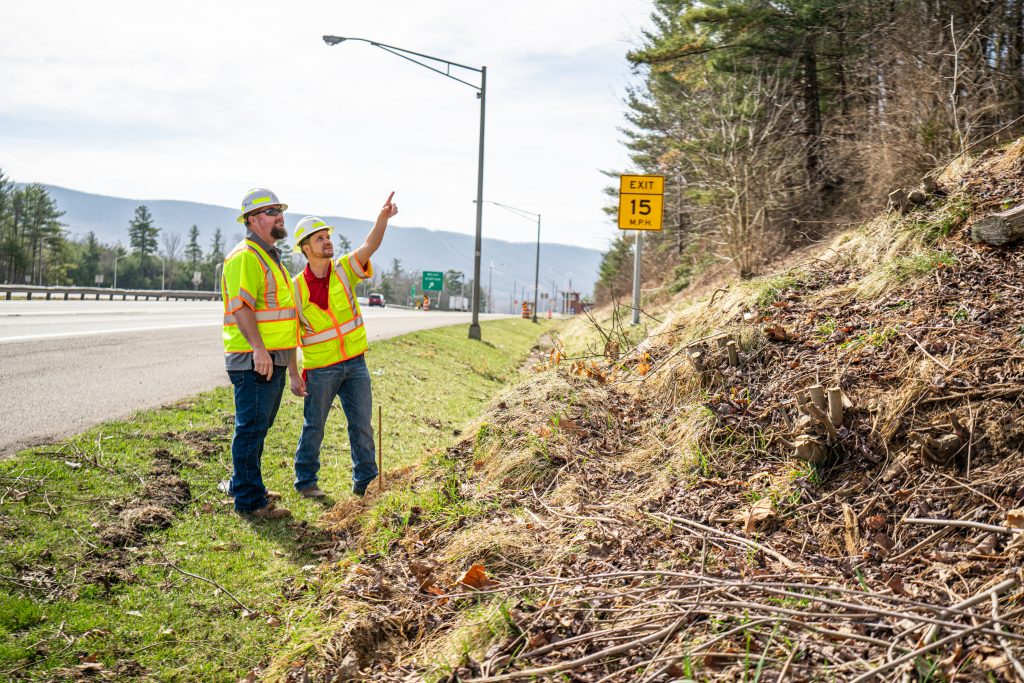
Example: Statewide Guardrail Assessment Program
Transportation Asset Intelligence Deepens Here
Collection provides visibility. Assessment provides understanding.
Together they create a clear picture of infrastructure condition, performance, and risk.
Once agencies understand what requires attention, they can begin prioritizing investments and developing effective maintenance strategies.
Next Step: Planning
Turn Data Into Decisions
Transform infrastructure insight into risk-based priorities, funding strategies, and actionable plans.