
Technology That Powers Transportation Asset Intelligence
Technology is only valuable when it creates actionable insight.
PILLAR combines advanced collection systems, artificial intelligence, geospatial technologies, and transportation expertise to help agencies understand, prioritize, and manage infrastructure with confidence.
Our technologies don’t simply collect data. They help create Transportation Asset Intelligence.
Technology with Purpose
Better Technology. Better Information. Better Decisions.
Transportation agencies collect more information today than ever before.
The challenge isn’t gathering data.
The challenge is transforming that information into actionable insight that supports better decisions.
PILLAR’s technology ecosystem is designed around a simple objective:
Help agencies understand their infrastructure, identify risk, prioritize investments, and improve operations.
Technology is not the end goal.
Better infrastructure decisions are.
We Didn’t Start with Technology
We Started with Questions.
For decades, transportation agencies have spent enormous amounts of time locating assets, verifying conditions, searching for records, and gathering information that should already be available.
Too often, critical decisions are delayed because the information needed to make them is difficult to access, incomplete, or spread across multiple systems.
PILLAR’s technology investments were driven by a simple belief:
Transportation professionals should spend less time searching for information and more time improving infrastructure.
Every technology we deploy exists to make transportation information more accessible, actionable, and useful.
The goal isn’t more data.
The goal is better decisions.
How Technology Supports Transportation Asset Intelligence
Capture. Transform. Connect.
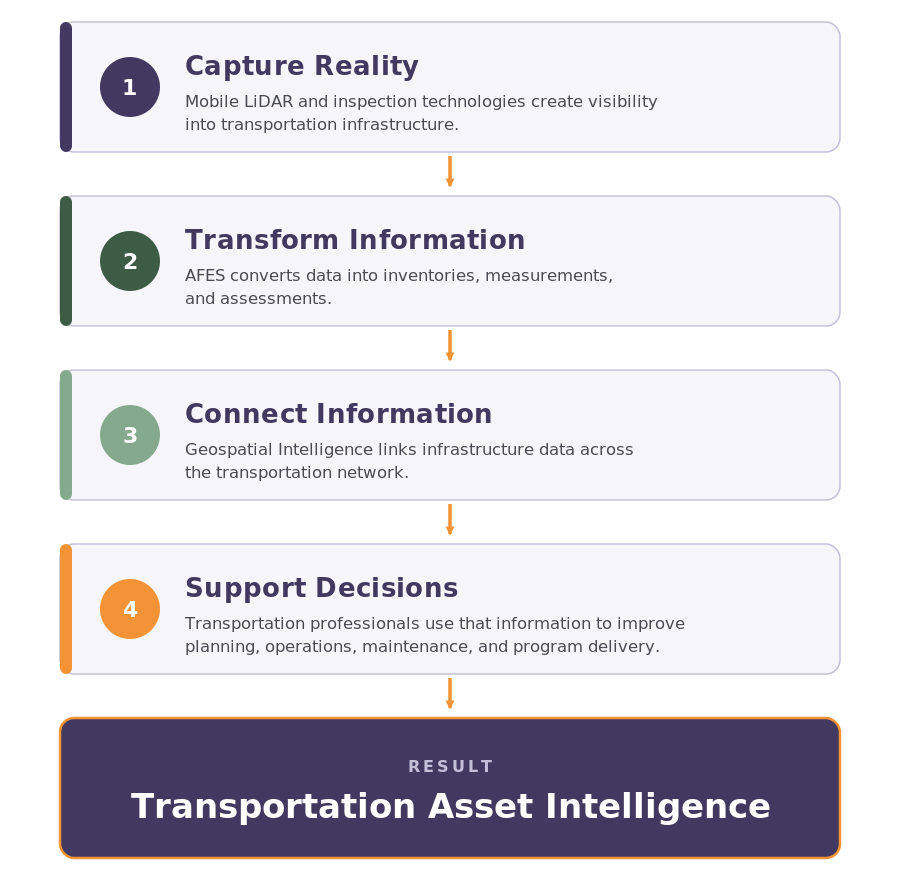
Our technologies work together to support every stage of the Transportation Asset Intelligence lifecycle.
Capture Reality
Collect accurate information about infrastructure assets and conditions.
Transform Information
Convert raw data into usable inventories, measurements, and insights.
Connect Information
Integrate infrastructure knowledge across systems, departments, and programs.
Support Decisions
Provide objective information that improves planning, maintenance, and operations.

Mobile LiDAR
Create a Digital Representation of Your Transportation Network.
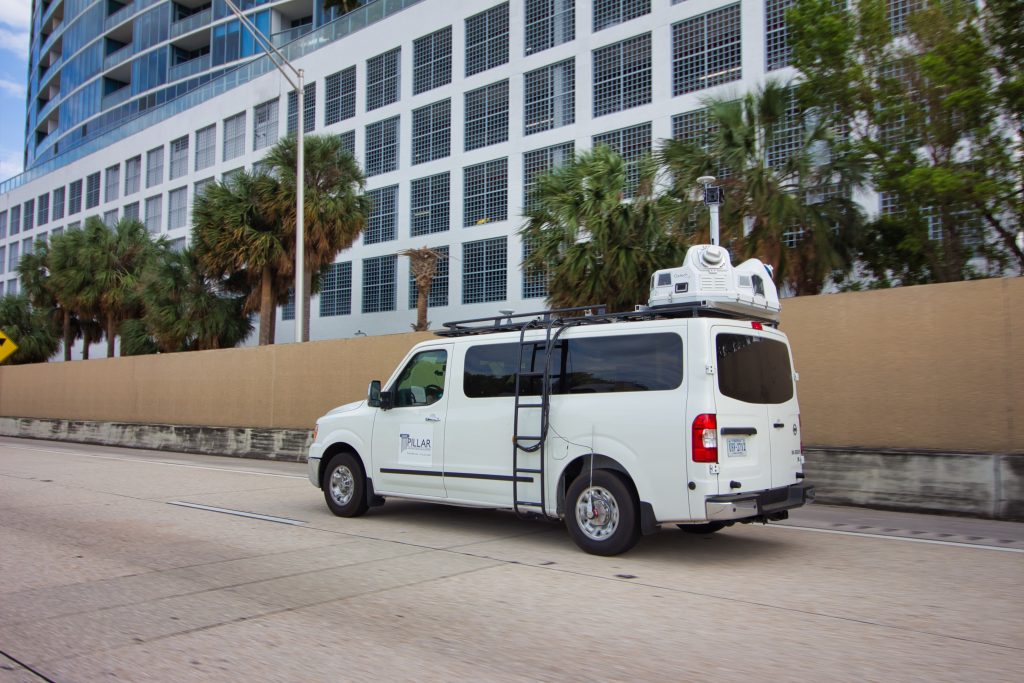
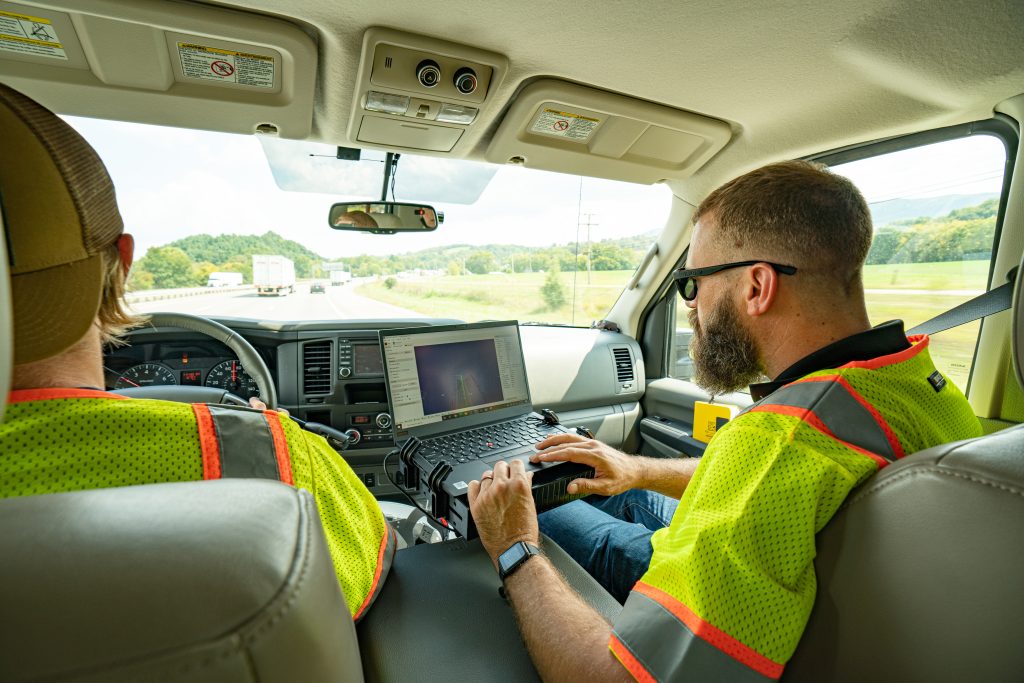
Mobile LiDAR captures millions of highly accurate measurements at highway speeds, creating a detailed digital representation of transportation infrastructure.
This technology provides the foundation for asset inventories, condition assessments, engineering analysis, and long-term infrastructure planning.
Benefits
- High-speed collection
- Survey-grade accuracy
- Reduced field exposure
- Network-wide visibility
- Improved safety
- Scalable data collection
Supports
- Collection
- Assessment
- Planning
Outcome
- A complete digital view of your transportation network.
AFES
Transform Data Into Transportation Asset Intelligence.
Collecting data is easy.
Using it effectively is the challenge.
PILLAR’s Automated Feature Extraction System (AFES) combines artificial intelligence, machine learning, and computer vision to automatically identify transportation assets and infrastructure conditions from LiDAR and imagery.
Instead of manually reviewing millions of data points, agencies receive consistent, scalable, and defensible information that can immediately support decision making.
Benefits
- Up to 10x faster processing
- Reduced operating costs
- Scalable statewide inventories
- Consistent asset identification
- Improved data quality
- Defensible results
Supports
- Collection
- Assessment
- Planning
Outcome
- Transportation Asset Intelligence at scale.
Geospatial Intelligence
Connect Infrastructure Information to Better Decisions.
Transportation decisions depend on understanding where things are happening and how those conditions relate to one another across the network.
PILLAR integrates LiDAR, imagery, asset inventories, condition information, and operational data into a geospatial framework that provides a complete view of transportation infrastructure.
Benefits
- Interactive mapping
- Location-based analysis
- Improved reporting
- Asset visibility
- Cross-system integration
- Decision support
Supports
- Collection
- Assessment
- Planning
- Execution
Outcome
- A trusted source of truth for your transportation network.
Underground Infrastructure Inspection
See What Traditional Inspections Miss.
Critical infrastructure often exists underground, underwater, or within confined spaces where traditional inspection methods can be difficult, dangerous, or costly.
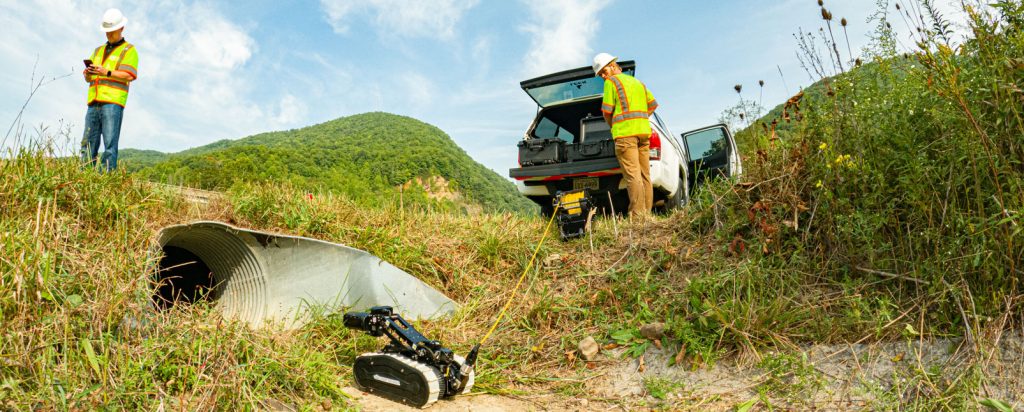
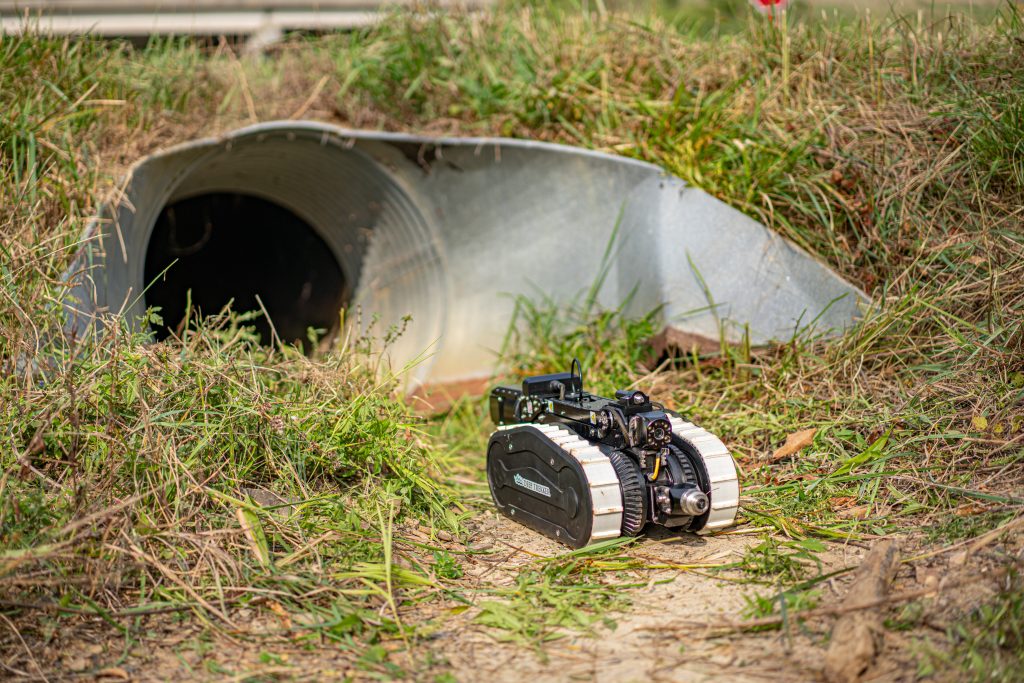
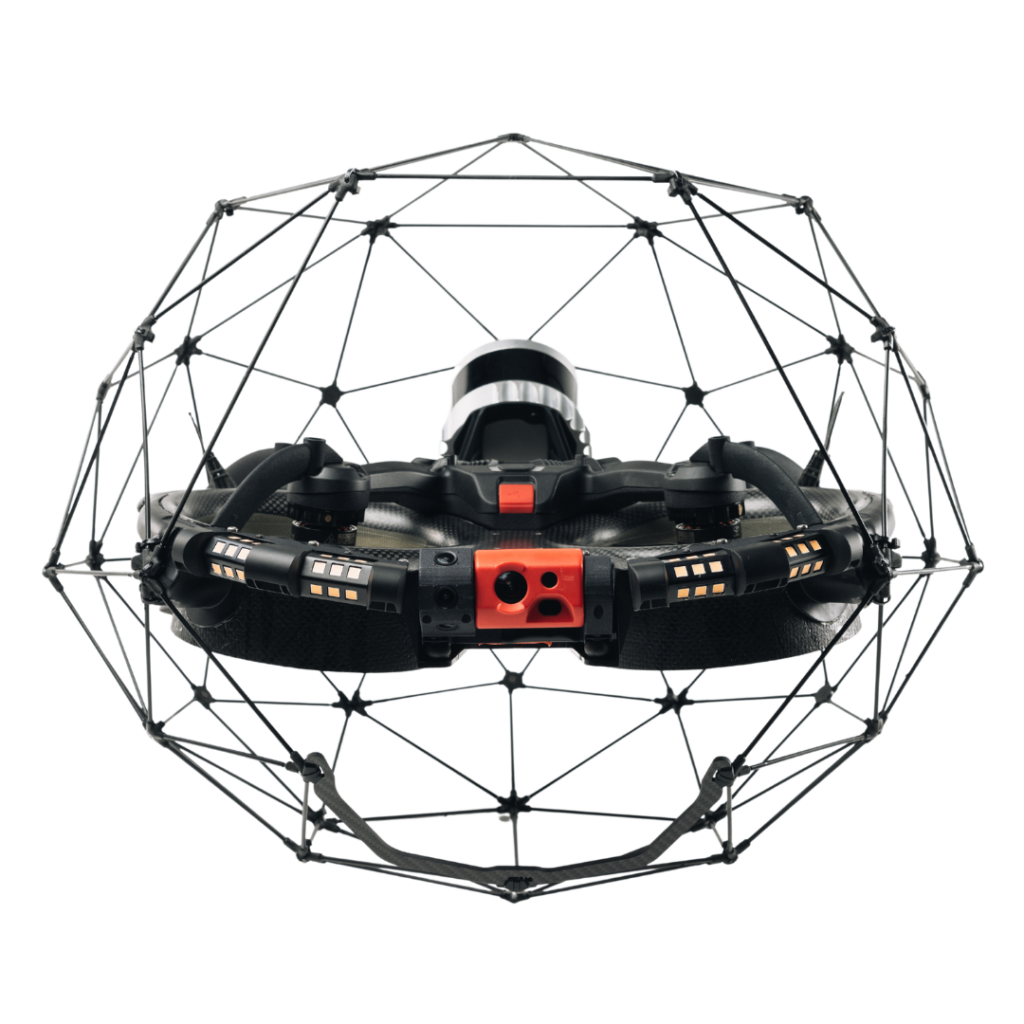
PILLAR utilizes advanced crawler and drone technologies to safely collect imagery, measurements, and condition information from challenging environments.
Applications
- Culverts
- Stormwater systems
- Drainage infrastructure
- Confined spaces
- Underground utilities
- Structural investigations
Benefits
- Improved safety
- Reduced confined-space exposure
- Faster inspections
- Detailed documentation
- Greater visibility into hidden infrastructure
Supports
- Assessment
Outcomes
- Critical infrastructure insight without unnecessary risk.
Transportation Asset Intelligence in Action
Four Capabilities. One Objective
How Technology Supports The CAPE® Framework
One Connected System.
COLLECTION
- Mobile LiDAR
- Imagery
- AFES
- Create visibility into transportation assets and infrastructure.
ASSESSMENT
- AFES
- Point Cloud Analysis
- Underground Infrastructure Inspection
- Identify condition, compliance, performance, and risk.
PLANNING
- Geospatial Intelligence
- Risk Analysis
- Decision Support
- Turn information into priorities and action plans.
EXECUTION
- Geospatial Intelligence
- Performance Monitoring
- Transportation Expertise
- Track progress and support program delivery.
OUTCOME
A connected flow of information from collection through execution.
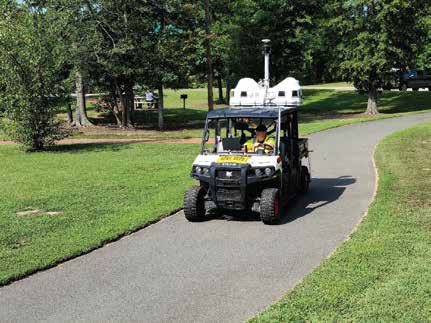

Technology + Expertise
Technology Alone Isn’t Enough.
Technology generates information.
Transportation expertise creates understanding.
PILLAR combines advanced technology with experienced transportation professionals who understand maintenance operations, asset management, infrastructure performance, and agency priorities.
The result is more than data.
It’s Transportation Asset Intelligence.
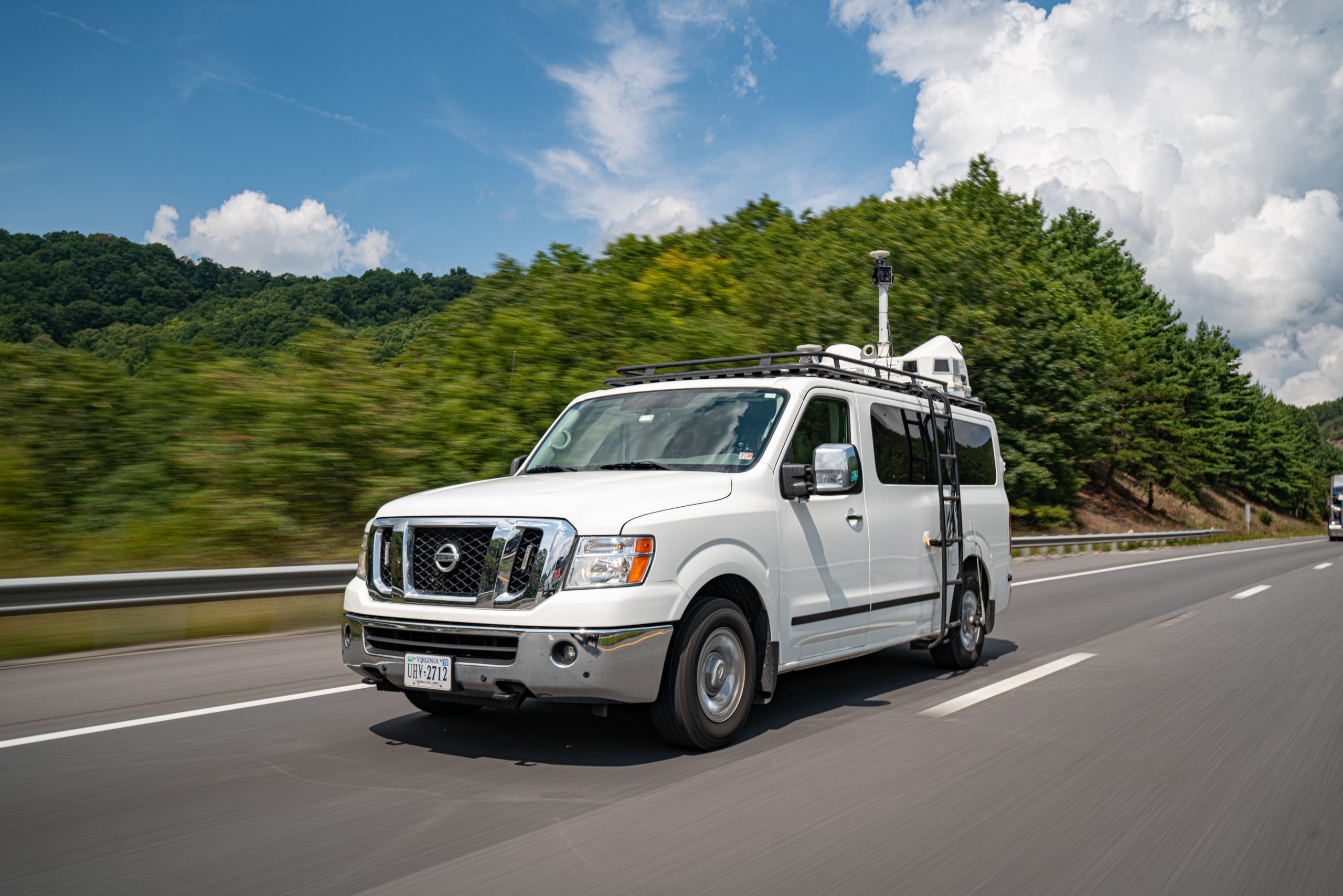
Advanced Technology
- Mobile LiDAR
- AFES
- Geospatial Intelligence
- Underground Infrastructure Inspection
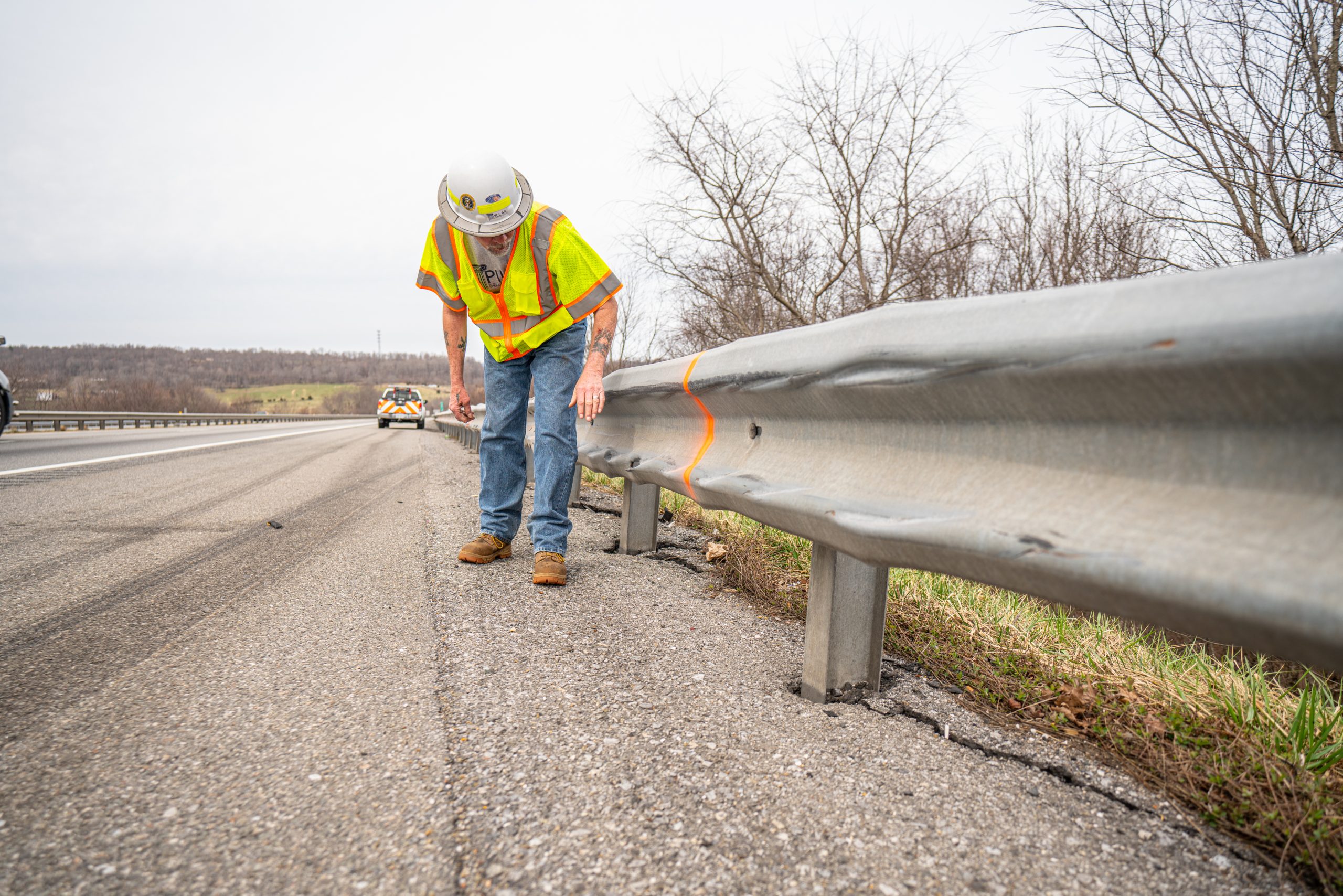
Transportation Expertise
- Maintenance Management
- Asset Management
- Program Delivery
- Condition Assessment
- Infrastructure Planning
- Operational Support
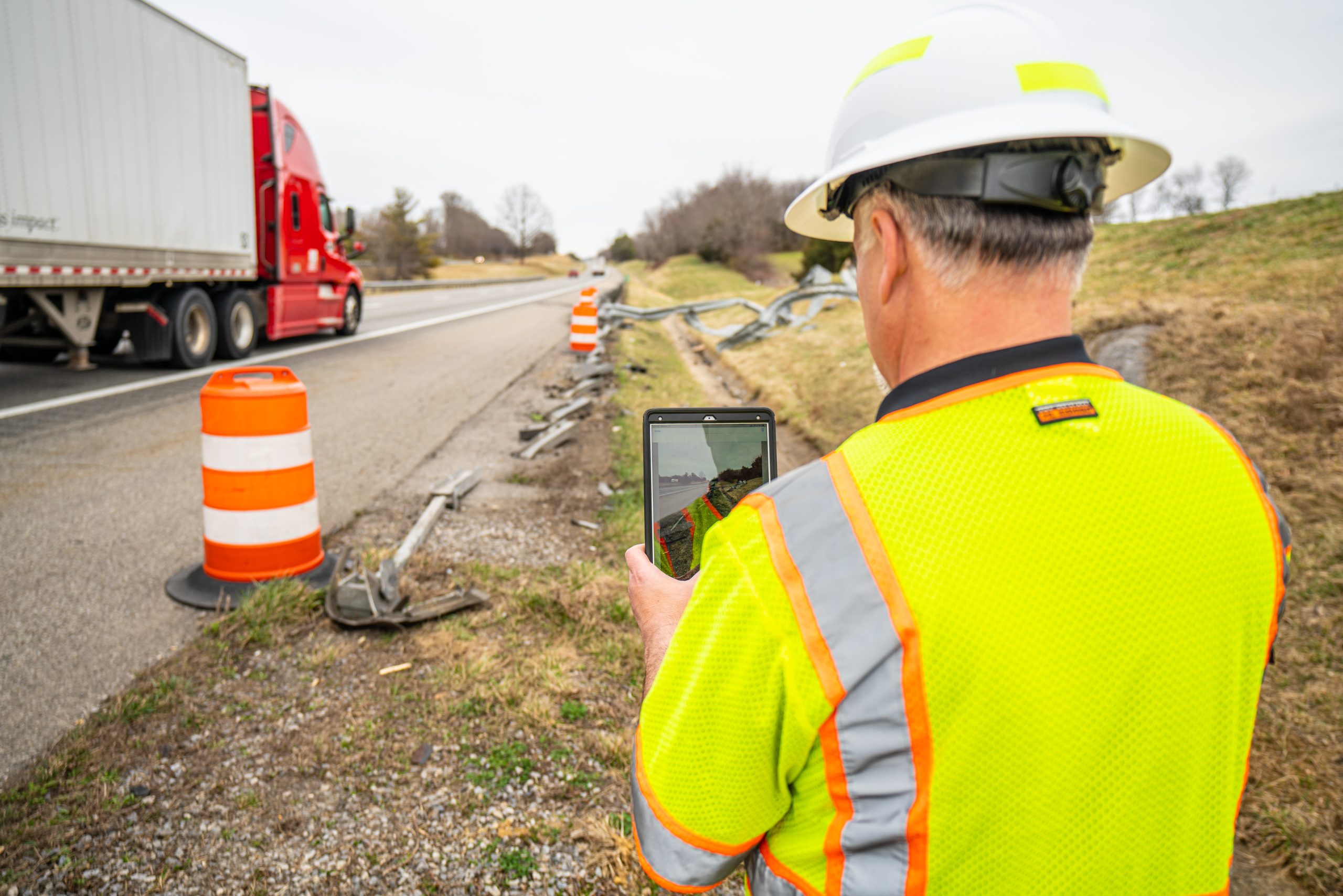
Actionable Outcomes
- Asset Visibility
- Risk Identification
- Funding Justification
- Performance Improvement
- Infrastructure Optimization
- Better Decisions

Ready to see your infrastructure differently?
Discover how PILLAR’s technology solutions help transportation agencies collect better information, gain deeper insight, and make more confident decisions.